
Description
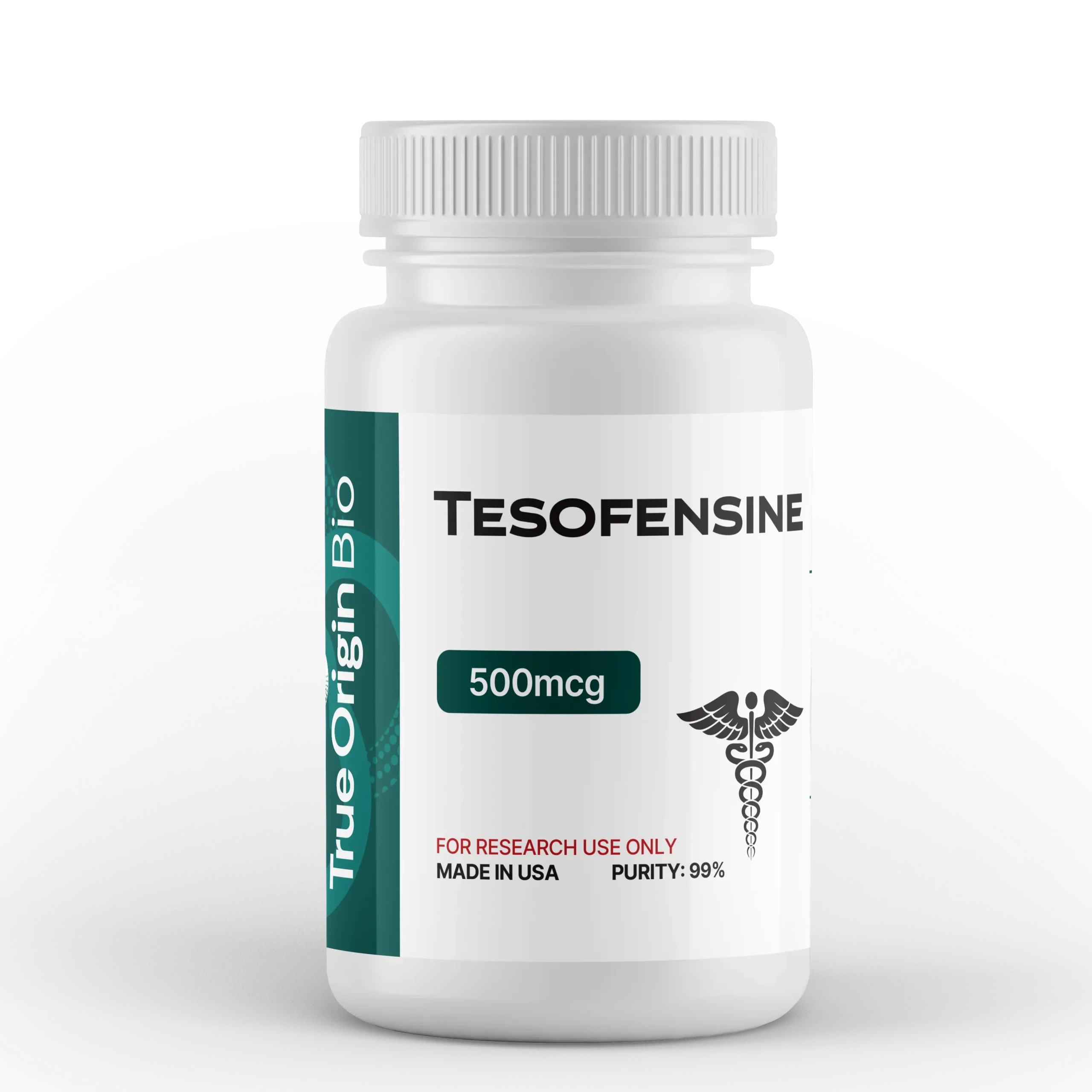
Tesofensine is a synthetic small-molecule monoamine reuptake inhibitor (MRI) that targets dopamine (DAT), norepinephrine (NET), and serotonin (SERT) transporters with high affinity, originating from the phenyltropane chemical class. Initially developed for neurodegenerative research, it was later repurposed for metabolic and appetite studies due to its potent appetite-suppressant and adaptive energy-regulating effects. In preclinical and clinical settings, tesofensine is used to investigate mechanisms of energy balance, neurotransmitter modulation, and metabolic adaptation.
- Triple Reuptake Inhibition: Tesofensine selectively blocks DAT, NET, and SERT, leading to significant increases in synaptic monoamine levels that influence appetite, mood, energy, and motivation.
- Appetite Suppression & Weight Modulation: Rodent and clinical studies document robust appetite suppression and dose-dependent fat mass reduction (~6%–12% over 6 months), with early reports showing 20–23 lbs greater loss than placebo.
- Energy Expenditure Enhancement: Tesofensine increases basal energy expenditure and fat oxidation, contributing to improved metabolic efficiency even under caloric restriction.
- Neurocognitive and Behavioral Effects: Preclinical models show inhibition of hypothalamic GABA‑ergic circuits that regulate feeding, and early clinical data suggest potential cognitive and mood benefits via enhanced monoaminergic signaling.
- Cardiovascular & Metabolic Markers: Studies note slight increases in resting heart rate and blood pressure with tesofensine treatment—careful monitoring is advised in energy regulation research.





Reviews
There are no reviews yet.